Small gaps in visibility rarely stay small. Here are five questions worth asking before they become expensive, or worse.
Running an HGV fleet means juggling a lot of moving parts, quite literally. Most operators have the big things covered. It’s the small, quiet things that slip through: a missed break, an engine left running at the loading bay, or a route that looked fine on a screen but proved impossible on the road.
Individually, they might seem minor. Together, they can affect your compliance, fuel costs, safety standards and ability to keep good drivers.
So here are five questions worth asking. Be honest with your answers.
1. How easy is it to stay on top of driver hours?
Keeping track of driver hours across multiple drivers, shifts and vehicles is no small task. Driving time, breaks, rest periods and working schedules all need constant attention.
If your tachograph data is downloaded late, reviewed in batches or only checked when something goes wrong, you’re potentially finding out about issues after they’ve happened.
The challenge isn’t just knowing whether drivers are complying with the rules. It’s having the visibility to identify potential issues early enough to do something about them.
The question to ask: Could you identify a potential driver hours issue before it becomes a compliance problem, or would you only find out afterwards?
The fleets that stay ahead aren’t necessarily the ones with the most paperwork. They’re the ones with the right information available when they need it.
2. Do you know how much fuel is being wasted through idling?
Idling can feel harmless. A driver waits for a bay to clear, keeps the cab warm or sits with the engine running during a stop. Nobody thinks twice.
But do the sum. Half an hour of idling a day, across 50 trucks, over 250 working days, adds up to 6,250 hours of engines running while going nowhere. That’s 125 hours of idling per vehicle over the year.
That’s fuel you’ve paid for, emissions you’ve created and unnecessary engine running, all without covering a single mile.
The real problem is that idling can go unnoticed without the right data. It doesn’t necessarily show up as an obvious incident. It just quietly eats into your margins.
The question to ask: If someone asked you how much time your fleet spent idling last month, could you tell them?
Once it’s measured, it’s manageable. And many fleets are surprised by what they find.
3. Are your routes realistic for the driver behind the wheel?
A route can look perfect on a planning screen. Shortest distance, tidy sequence, every delivery accounted for. Then it meets real life: congestion on the approach, a delivery window that closes at 2pm, a break that needs to be factored in, and a driving schedule that’s already under pressure.
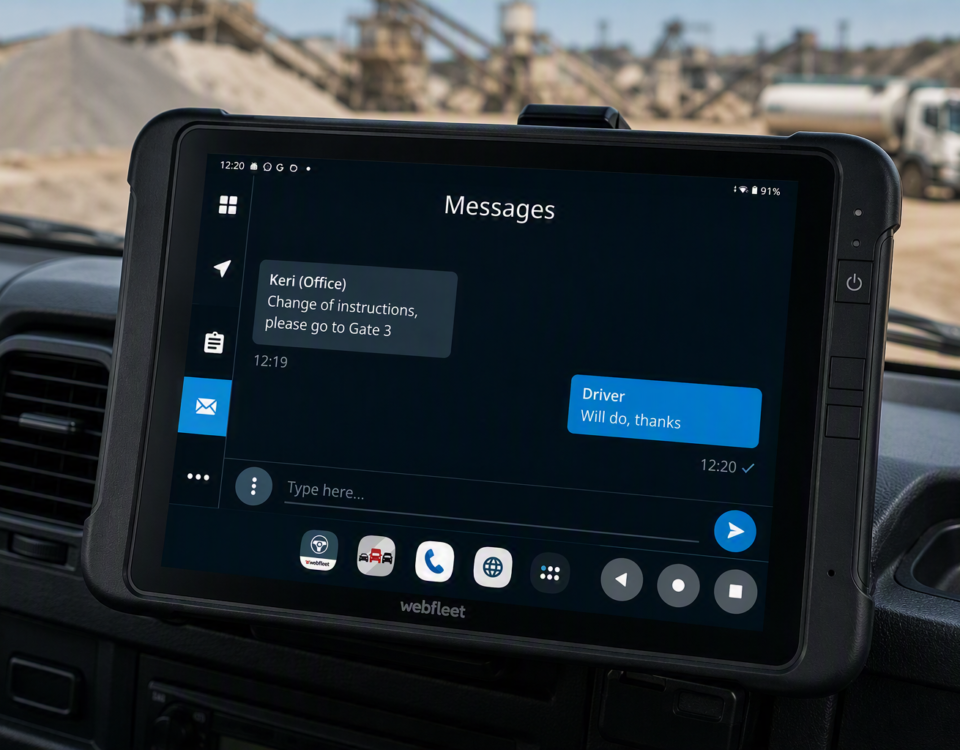
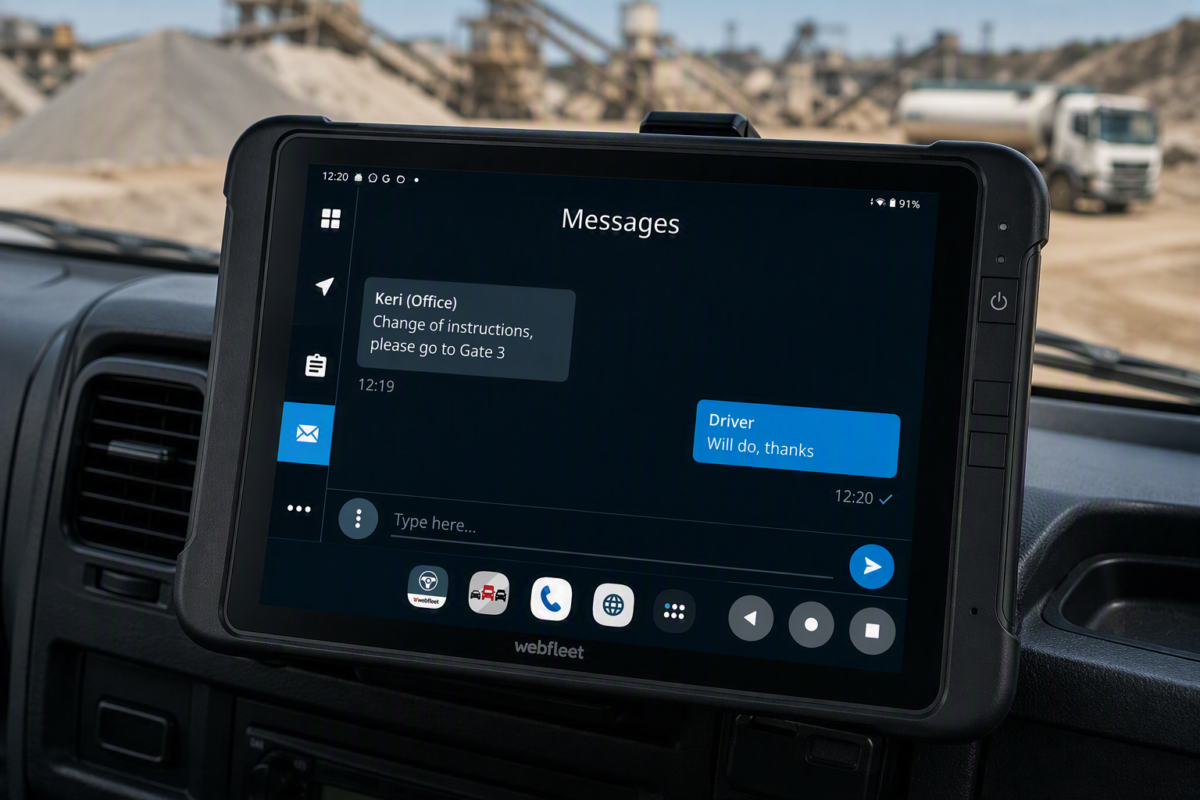
When planned routes don’t account for these realities, drivers are left to make up the difference. That’s when corners can get cut, schedules become unrealistic and pressure starts to build.
The question to ask: Would you want to drive this route, to this schedule, today?
Realistic planning isn’t about being soft. It’s about building schedules that can actually be delivered, safely and legally, without relying on the driver to absorb the pressure.
4. Would you spot the signs before an incident?
Incidents don’t always come out of nowhere. Changes in driving behaviour, such as repeated harsh braking, tailgating, distraction or signs of fatigue, can sometimes highlight developing risks before a more serious incident occurs.
The challenge is that no one can watch every driver on every mile. That’s where technology earns its place.
This is where AI cameras can provide another set of eyes. MANTIS, for example, can identify events such as fatigue and distraction, while bringing relevant driving events and footage together for review.
Used well, this isn’t about catching people out. It’s about spotting risks while there’s still time to do something about them.
The question to ask: If a driver was becoming a risk today, how would you know?
5. Are you looking after the person, not just the vehicle?
Your vehicles get scheduled servicing, inspections and maintenance. Your drivers deserve the same level of thought.
Long days, irregular hours and time away from home can take their toll. Proper rest, genuine breaks, access to drinking water and suitable welfare facilities all contribute to a healthier working environment.
Beyond the basics, realistic schedules, regular communication and simply showing an interest in how drivers are getting on can make a real difference to morale and retention.
A well-rested, well-supported driver is better placed to work safely, stay engaged and feel valued.
The question to ask: Do your drivers feel looked after, and would they say so?
Driver wellbeing isn’t a side project to safety and compliance. It sits underneath both.
The common thread
Look back at those five questions and you’ll notice they’re really one question in different clothes: how much of what’s happening across your fleet can you actually see?
Better visibility means fewer surprises.
It helps you protect drivers, control costs and stay on top of compliance without relying on luck or last-minute firefighting.
So, how does your fleet stack up?
If one or two of those questions were harder to answer than you expected, it might be worth taking a closer look.
Sometimes you don’t need more information. You just need a clearer view of what’s already happening.
If you’d like to talk through any of it, get in touch with the Vtec team.