Why Service Fleet Efficiency is Harder Than it Looks
For many fleets, including service, maintenance, and utilities, improving service fleet efficiency isn’t just about getting vehicles out on the road. The bigger challenge is keeping the operation running smoothly once the day begins.
Jobs change. Schedules move. Traffic gets in the way. Vehicles are used unevenly. And when response times start slipping, the impact is felt quickly; by dispatch teams, technicians, and customers alike.
That’s why better fleet performance doesn’t just come from having more vehicles, more jobs, or more activity. It comes from looking “Beyond the Map” and having clearer visibility into what is actually happening across your operation.
Busy Doesn’t Always Mean Efficient
A fleet can look incredibly productive from the outside. Vehicles are moving, jobs are being completed, and the team is working flat out. But that doesn’t always mean performance is where it should be.
Without the right level of insight, it can be difficult to answer simple but important questions:
- Where is time being lost most often?
- Which routes are creating avoidable delays?
- Are technicians and vehicles being used efficiently?
- Are work orders flowing as smoothly as they could be?
For many service organisations, these questions only get asked properly when something starts going wrong. Missed appointments, slow response times, or pressure on resources. By that point, operations become purely reactive.
The Service Fleet Difference: Four Core Needs for Field Efficiency
Service fleets operate in a fundamentally different way from standard delivery or long-haul transport operations. The focus is not just on a vehicle arriving at a destination. It is on how efficiently the whole operation supports the hands-on work being done, whether that’s reactive utilities maintenance, urgent callouts, or scheduled facilities management.
To bridge this gap, we have a connected workflow toolkit designed specifically for the daily realities of field operations:
- Clear visibility of assets and jobs
- Moving past basic vehicle tracking to see vehicle status, job progress, and field operations in real-time. Webfleet has the tools to transform raw tracking data into clear operational trends, showing you exactly how your fleet is performing.
- Effective workforce coordination and communication
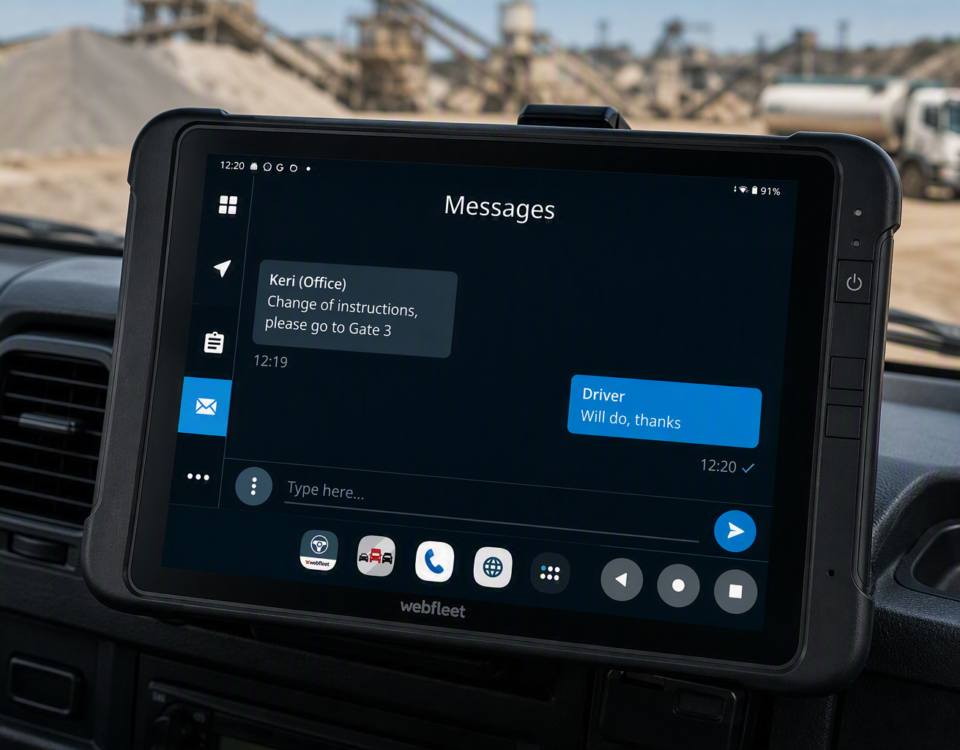
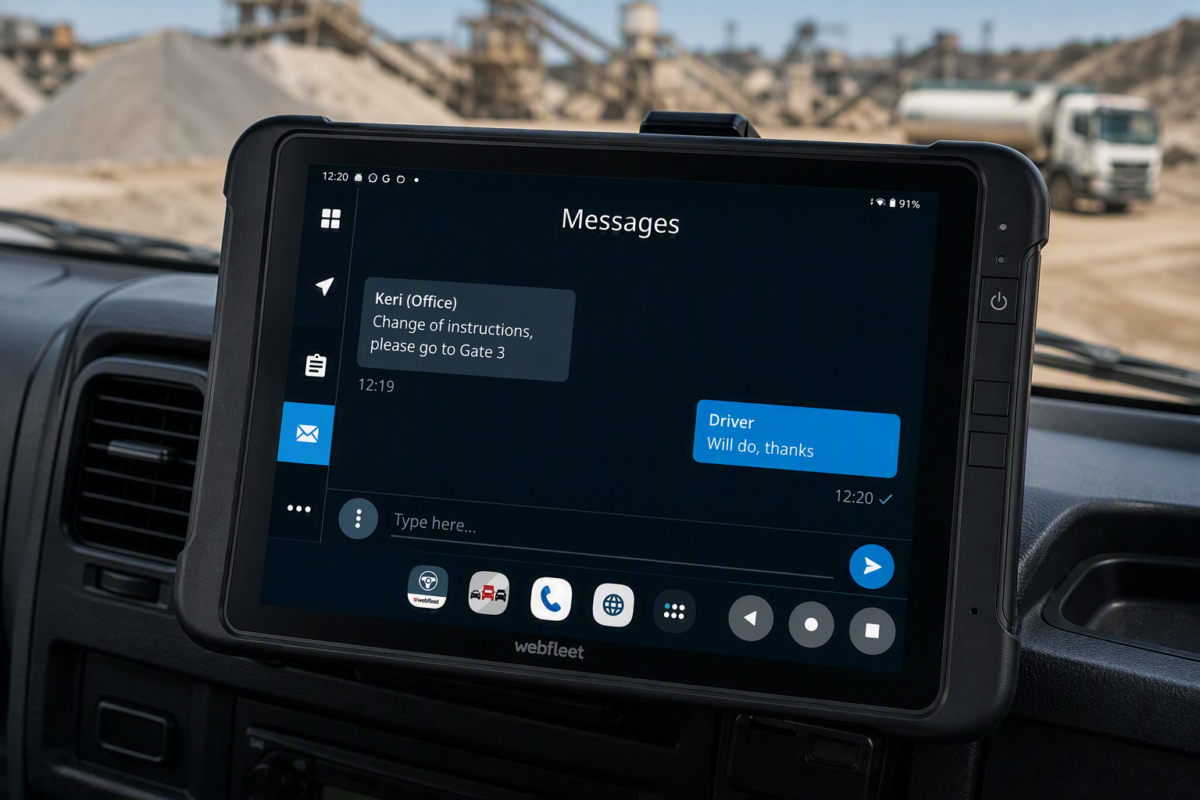
- Wiping out the administration lag, constant phone chasing and manual paperwork between office dispatch and the technician on the road. The Order Upload tool pushes job details and automated routing directly to the in-cab device, while integrated Work App has messaging available to give dispatch and field teams a direct, crystal-clear chat channel. this smooths out job handoffs, keeps everyone on the same page, and allows your teams to complete more tasks per day.
- Total on-the-road protection
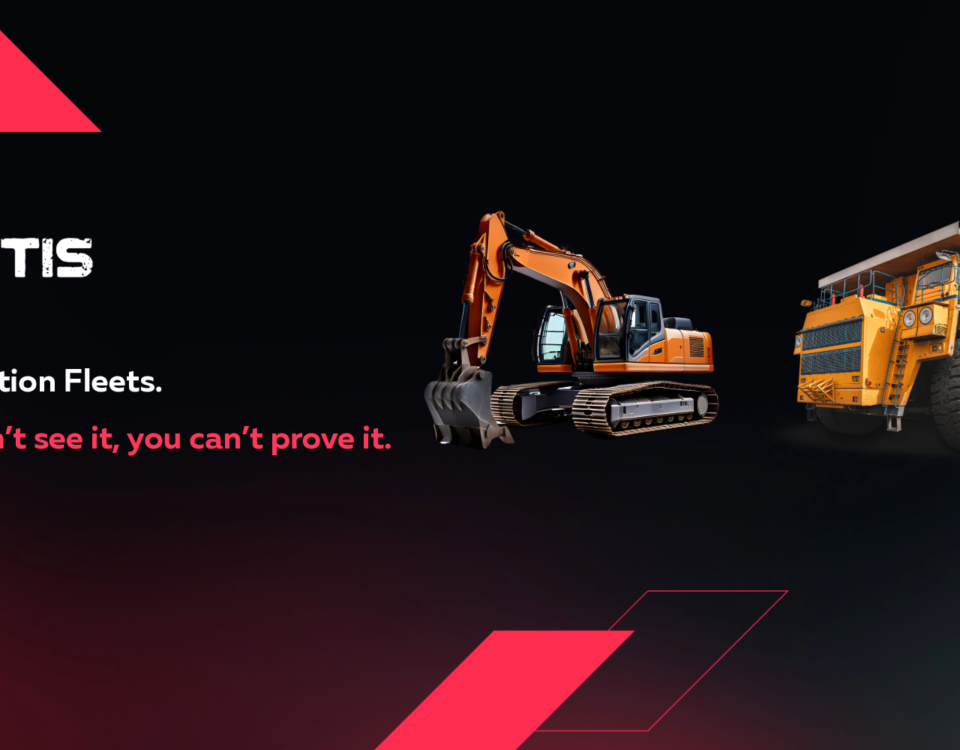
- Visibility isn’t just about tracking jobs, it’s about protection, which is where most fleets are still exposed. Through our seamless integration with MANTIS cameras, we bridge the gap between tracking and safety and can help your business:
- Prove: Instantly retrieve crystal-clear HD evidence to dismiss false accident claims in minutes, saving thousands in insurance excessed.
- Prevent: Use proactive, intelligent in-cab AI to flag driver fatigue or mobile distractions before an accident can happen.
- Protect: Give your field team total peace of mind with an unblinking, objective witness on every single call-out.
- Visibility isn’t just about tracking jobs, it’s about protection, which is where most fleets are still exposed. Through our seamless integration with MANTIS cameras, we bridge the gap between tracking and safety and can help your business:
- Reliable performance tracking and reporting
- Moving away from “gut feeling” to understand service completion times, utilisation patterns and true operational costs. With industry-specific benchmarking, you can easily evaluate performance gaps objectively to see whether our fleet is genuinely efficient, or just busy.
Better Data Leads to Better Decisions
One of the biggest issues in field service is that decisions are often made on instinct rather than evidence. Operations teams move quickly, problems have to be solved fast, and there is not always time to pause and analyse.
But over time, that creates blind spots. If you cannot clearly see which vehicles, routes, or job flows are underperforming (or where your vans are left unprotected against fraudulent claims) it becomes much ahrder to protect your margins.
The organisations that improve performance most consistently tend to do one thing well: they use integrated operational insight to make decisions earlier. That means spotting trends before they become bigger issues and identifying opportunities to improve utilisation, safety, and scheduling before they start affecting service delivery.
A Stronger Fleet Starts with Clearer Visibility
Performance is shaped by hundreds of micro-decisions across the month—from route planning and work allocation to risk and compliance management. The better those decisions are informed, the easier it becomes to run a reliable, efficient, and fully protected service operation.
If you’re looking at how your service fleet actually runs day-to-day, we can help you turn that data into something clearer and more actionable.