The Message Was Sent… So Why Didn’t It Land?
Here’s something most fleet managers won’t say out loud. The communication isn’t broken. It’s just…unreliable. And somewhere along the way, unreliable became normal.
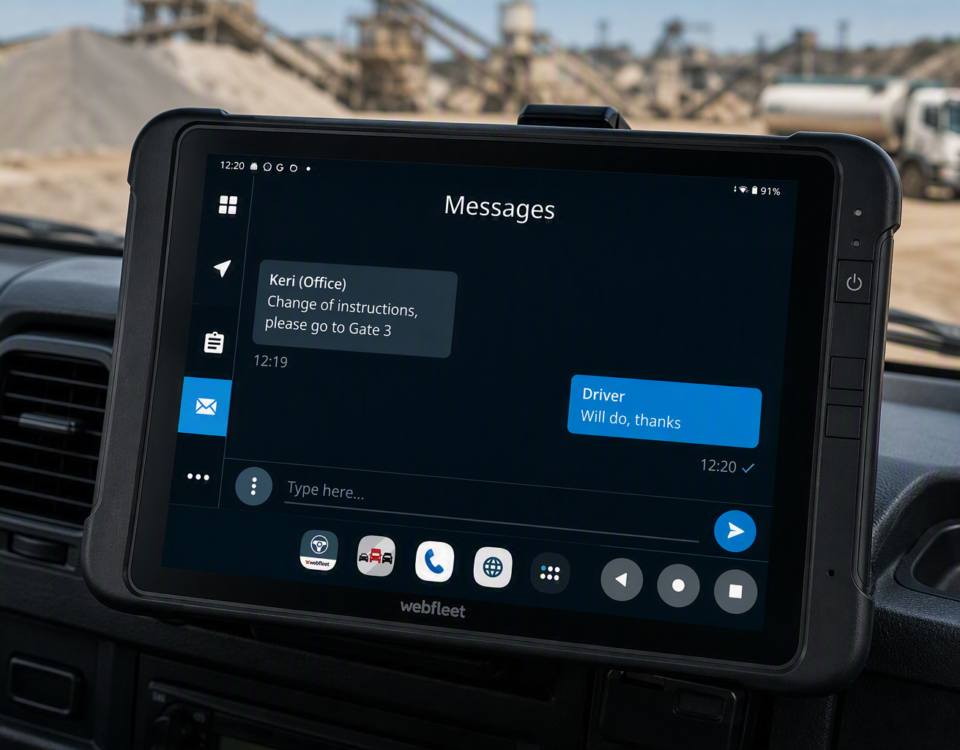
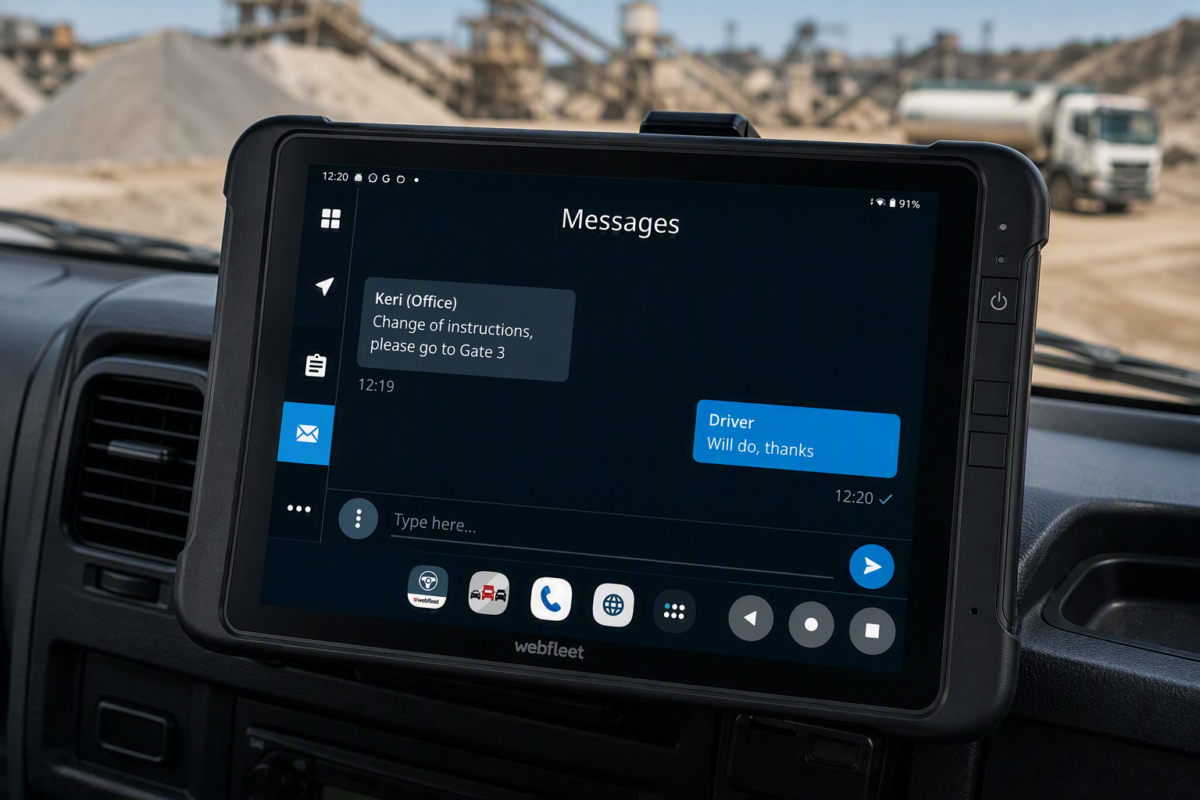
The missed call while a driver is navigating a busy junction. The update that arrives five minutes after the decision was already made. The route change that never quite made it back to the office. None of it is dramatic. None of it is catastrophic. Just a quiet, persistent gap between what was sent and what was received.
That gap? Most fleets have stopped noticing it. And that’s the real problem.
Fleet Communication Rarely Fails. It Fades.
It’s easy to manage around a crisis. You see it, you respond, you fix it.
But communication problems don’t announce themselves. They accumulate. Gradually. In the background. In the space between intention and delivery.
A driver is distracted by an incoming call at the worst possible moment. A message buried under a stream of others. A manager making a decision based on where they think a vehicle is, not where it actually is. Tools such as Trailer Tracking can help provide real-time visibility, giving fleet managers accurate location data and reducing the uncertainty that often leads to unnecessary calls and follow-ups.
Small frictions. Small assumptions. Small workaround that slowly becomes the way things are done.
And over time, a fleet can find itself operating in a permanent state of near-connection, always calling, always chasing, always clarifying without ever stopping to ask whether it has to be this way.
It doesn’t.
The Hidden Cost of “That’s Just How it Works Here”
The danger of normalised communication gaps isn’t what they cost today. It’s what they quietly cost every day.
Drivers pulled away from the road by calls that shouldn’t have happened. Managers are spending time gathering information instead of acting on it. Customer sensing hesitation where there should be confidence. Paperwork that slows down proof of delivery because no ones found a better way yet.
No single moment breaks the operation. But the drag is real. The friction is real. And the erosion of trust, internally and with customers, is very real, even when it’s hard to point to.
The fleets that recognise this tend to ask a different question. Not “how do we communicate more?‘ but “how do we make uncertainty the exception, not the default?”
What Actually Changes When Communication Works
The shift isn’t about more calls, more check-ins or more apps running in the background. It’s about how information moves and whether it moves in a way that works with the realities of the road, not against them.
When communication genuinely improves across a fleet, the results are rarely dramatic. They’re quieter than that.
Drivers feel supported rather than interrupted. Managers feel informed rather than uncertain. Customers feel confident rather than managed.
Fewer reactive decisions. Few misunderstanding. Fewer moments where someone’s working from a different version of events than everyone else.
And something most fleets don’t realise they’re missing until they have it: breathing room. The operational headspace that comes from knowing, not assuming, that everyone is aligned.
Is Your Fleet Really Hearing You?
The question was never whether messages are being sent.
It’s whether they’re being received, understood and acted on at the right moment, in the right context, without adding noise to an already demanding job.
In modern fleet management, communication isn’t just an operational function. It’s a performance driver. A risk reducer. A trust builder. And like most things that quietly shape outcomes, its true cost is felt long before it ever gets measured.
If any of this feels familiar, it might be worth asking how much of your operation is running on near-connection, and what it would look like to close that gap for good.
Webfleet helps offices and drivers stay genuinely aligned, not through more communication, but through clearer communication.